

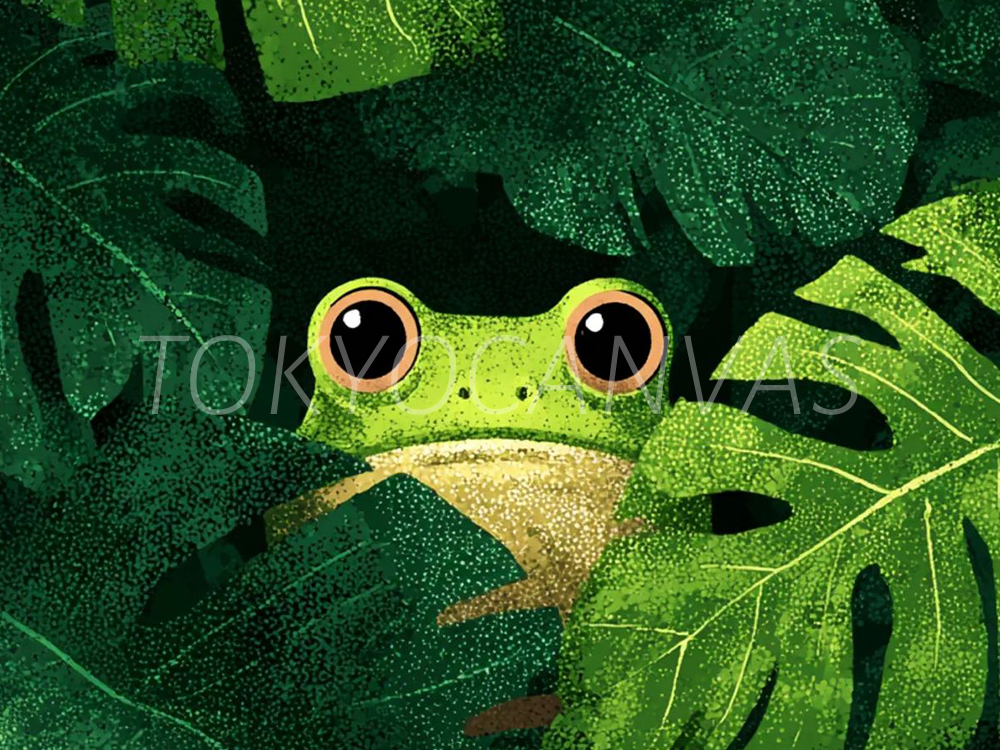
Despite their slimy skin and nocturnal croaks, frogs consistently rank among nature’s most beloved creatures. From ancient folklore to viral memes, their appeal spans cultures and generations. Here’s why these amphibians captivate us:
1. Evolutionary Echoes: Symbols of Transformation
Frogs embody metamorphosis—transitioning from aquatic tadpoles to terrestrial adults—mirroring human experiences of growth and change. This biological marvel resonates deeply, symbolizing resilience in cultures worldwide. Their lifecycle is a living metaphor for personal reinvention, making them icons in stories and art.
2. Ecological Guardians: Silent Environmental Alarms
As bioindicators, frogs are environmental watchdogs. Their permeable skin makes them hypersensitive to pollution and climate shifts; declining populations often signal ecosystem crises. By protecting frogs, we protect ourselves—a truth driving conservation movements.
3. Cultural Charm: From Folklore to Digital Stardom
- Mythology: In Asian traditions, frogs symbolize luck (e.g., Japan’s kaeru meaning both “frog” and “return,” evoking homecoming).
- Internet Fame: Cartoon frogs like Pepe (generic versions) dominate memes, blending humor with relatability. TikTok’s #FrogTok videos amass billions, celebrating their quirky jumps and calls.
4. Aesthetic Allure: The Beauty of "Imperfect" Design
Frog features—goggle eyes, vibrant hues (poison dart frogs), and textured skin—exhibit nature’s artistry. Their wabi-sabi imperfections contrast with sleek modern aesthetics, offering tactile authenticity craved in digital age.
5. Therapeutic Presence: Unlikely Stress Relievers
Studies show watching frogs reduces anxiety. Their rhythmic croaking and unhurried movements induce calm, akin to ASMR. Urban terrarium trends (up 40% since 2024) highlight their role in mindfulness practices.
Why This Matters Now
As amphibian populations decline (40% of species face extinction), our affection for frogs fuels ecological awareness. Their dual role—ecological sentinel and cultural muse—proves humanity’s bond with nature thrives not despite their oddity, but because of it.