
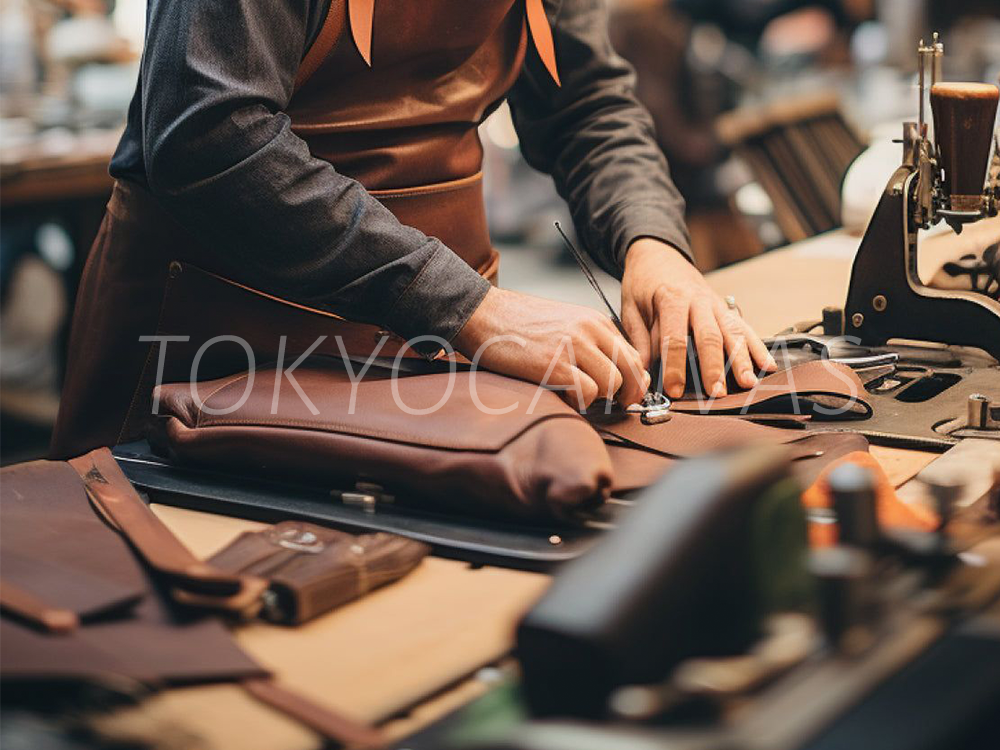
As Gen Z reshapes global fashion, a quiet rebellion unfolds: the shift from flashy logos to understated craftsmanship. This transformation—fueled by economic pressures, digital authenticity, and cultural recalibration—is redefining luxury for a generation raised on excess.
1. The Emotional Currency of Craft
Young consumers increasingly seek emotional resonance over status symbols. The surge in demand for bankrupt anime IP tees and heritage crafts (like Zigong’s artisan lanterns) reveals a deeper craving: narratives of resilience and human touch. Unlike mass-produced logo items, hand-distressed washes or traditional dye techniques embody wabi-sabi imperfection—a counterpoint to sterile perfectionism. This aligns with findings that 78% of Gen Z prioritizes "stories behind products" over branding.
2. Economic Pragmatism Meets Ethical Values
Inflation and job insecurity have forged a "value-first" mindset. While logos signify fleeting trends, craftsmanship promises longevity. Artisanal items—like heirloom-quality tees using Japanese boro mending—offer cost-per-wear savings and align with circular economy principles. Simultaneously, ethical transparency (e.g., water-saving dye methods) resonates with climate-conscious youth, turning "who made this?" into a moral imperative.
3. Digital Natives Crave Tangible Authenticity
Paradoxically, hyper-connectivity has intensified appreciation for physical tactility. Social media exposes factory exploitation, making logo-driven fast fashion feel ethically hollow. Conversely, platforms like TikTok glorify maker culture: viral videos of artisans hand-painting tees or weaving fabrics generate "craftsmanship voyeurism". This digital democratization lets indie brands—like your washed-tee store—rival giants through process-driven storytelling.
4. Cultural Shifts: From Ostentation to "Quiet Power"
The decline of "peacocking" reflects Gen Z’s rejection of performative wealth. Japanese iki (subtle sophistication) and Western "quiet luxury" converge in valuing intrinsic quality:
- Texture > Logos: Heritage techniques (e.g., sashiko stitching or organic indigo dye) signal discernment.
- Contextual Wearability: Crafted pieces transition seamlessly from streetwear to workplaces, defying single-use trends.
Why This Matters for Fashion’s Future
Craftsmanship isn’t a trend—it’s a corrective lens refocusing fashion on humanity. As one Gen Z shopper noted: "My grandfather’s repaired jacket holds more ‘luxury’ than any logo—it carries his sweat and stories." This shift empowers indie makers to lead through integrity, proving that in a noisy world, the whisper of a well-made stitch speaks loudest.