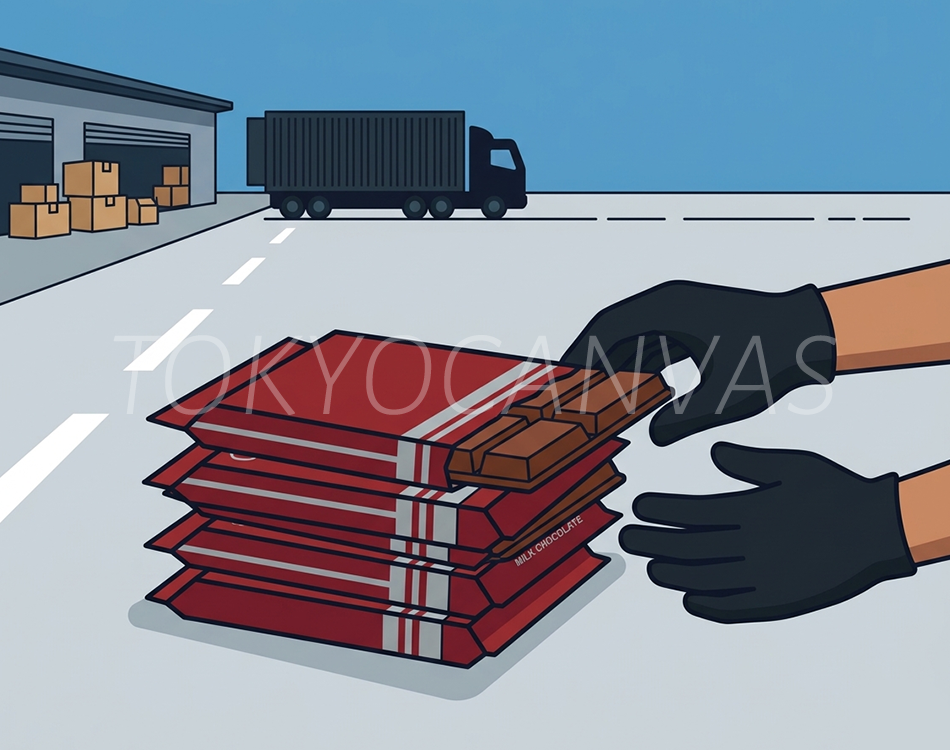
When life gives you 12 tons of stolen chocolate, the internet gives you memes.
If you’ve been on social media recently, you’ve likely seen the formal-looking "Official Statements" flooding your feed. While they look like corporate damage control, they are actually part of a massive viral wave sparked by a very real, and very strange, crime: The KitKat Heist.
1. The Crime That Started It All
In late March 2026, a shipment of over 413,000 KitKat bars vanished. A truck carrying 12 tons of the chocolate—specifically the new Formula 1-themed bars—departed from a factory in Italy bound for Poland and simply fell off the grid. This wasn't just a few missing boxes; it was a professional "ghost truck" scam that left authorities across Europe baffled and candy lovers questioning if their Easter treats were safe.
2. Turning a Crisis into a "Break"
Rather than panicking, Nestlé leaned into the brand's iconic "Have a Break" slogan. They launched a "Stolen KitKat Tracker" and released a statement noting that while they appreciated the criminals' "exceptional taste," they really wanted their chocolate back. This clever PR move turned a supply chain nightmare into a digital scavenger hunt. Fans began checking batch codes on their wrappers to see if they had accidentally purchased "black market" chocolate, effectively turning every consumer into a mini-detective.
3. The "Official Statement" Meme Trend
The heist’s true legacy, however, is the meme format it birthed. Brands and creators began posting parody "Official Statements" using the same clinical, serious tone as the original KitKat reports. From AI software companies claiming their bots "cannot yet hijack trucks" to local coffee shops "confirming" they were not the masterminds, the trend proved that the internet loves nothing more than high-stakes corporate drama served with a side of absurdity.