

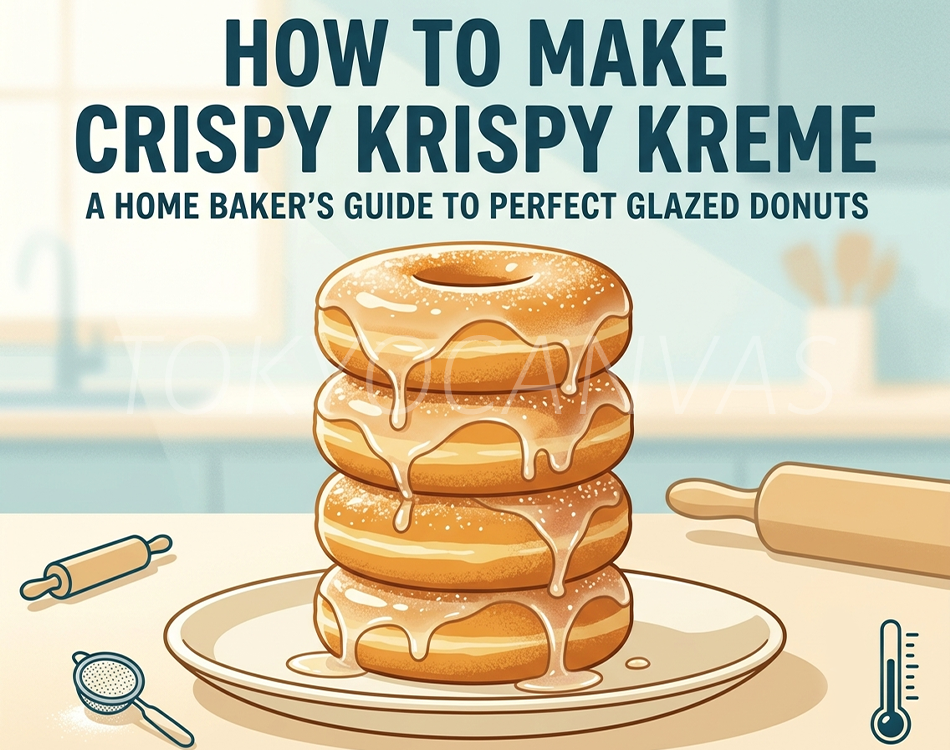
There is nothing quite like biting into a freshly made, yeast-raised glazed pastry that boasts a delicate, paper-thin sugary shell and an interior as light as air. While stopping by a local bakery is convenient, a new wave of culinary creators has taken over the internet with an exciting kitchen challenge: mastering the science of the ultimate melt-in-your-mouth pastry right from scratch. If you have ever wanted to recreate that signature, pillowy texture and sweet crunch in your own kitchen, achieving bakery-level perfection is entirely possible with the right technique.
1. Nailing the Cloud-Like Dough
The foundation of a spectacular pastry is a properly proofed, yeast-activated dough. To get that signature airy interior, you must be patient with the rising process. Mixing the flour, milk, sugar, and yeast requires a gentle touch, and letting the dough rest in a cool environment allows the flavors to develop without over-activating. When rolling and cutting your shapes, handle the dough carefully to avoid deflating the trapped air pockets. Perfect proofing ensures that when the dough hits the heat, it puffs up beautifully rather than turning dense.
2. The Science of the Perfect Fry
Achieving a delicate, crispy exterior without absorbing excess grease comes down to strict temperature control. You will want to use a neutral oil with a high smoke point and monitor it closely with a kitchen thermometer. The sweet spot is maintaining a steady temperature between 350°F and 360°F. If the oil is too cool, the dough acts like a sponge and becomes greasy; if it is too hot, the outside burns before the inside cooks through. Fry the pastries for just under a minute per side until they achieve a gorgeous, light golden hue.
3. The Hot Glaze Technique
The final secret to that iconic, translucent sugary shell is all in the timing of the glaze. Create a smooth glaze using sifted powdered sugar, a splash of milk or water, and a touch of vanilla extract. Unlike other baked goods that need to cool down before decorating, these pastries must be dipped while they are still piping hot. Submerging the hot pastry allows the excess glaze to melt and run off easily, leaving behind only an ultra-thin, even coating that hardens into a crisp, glassy shell as it cools.