

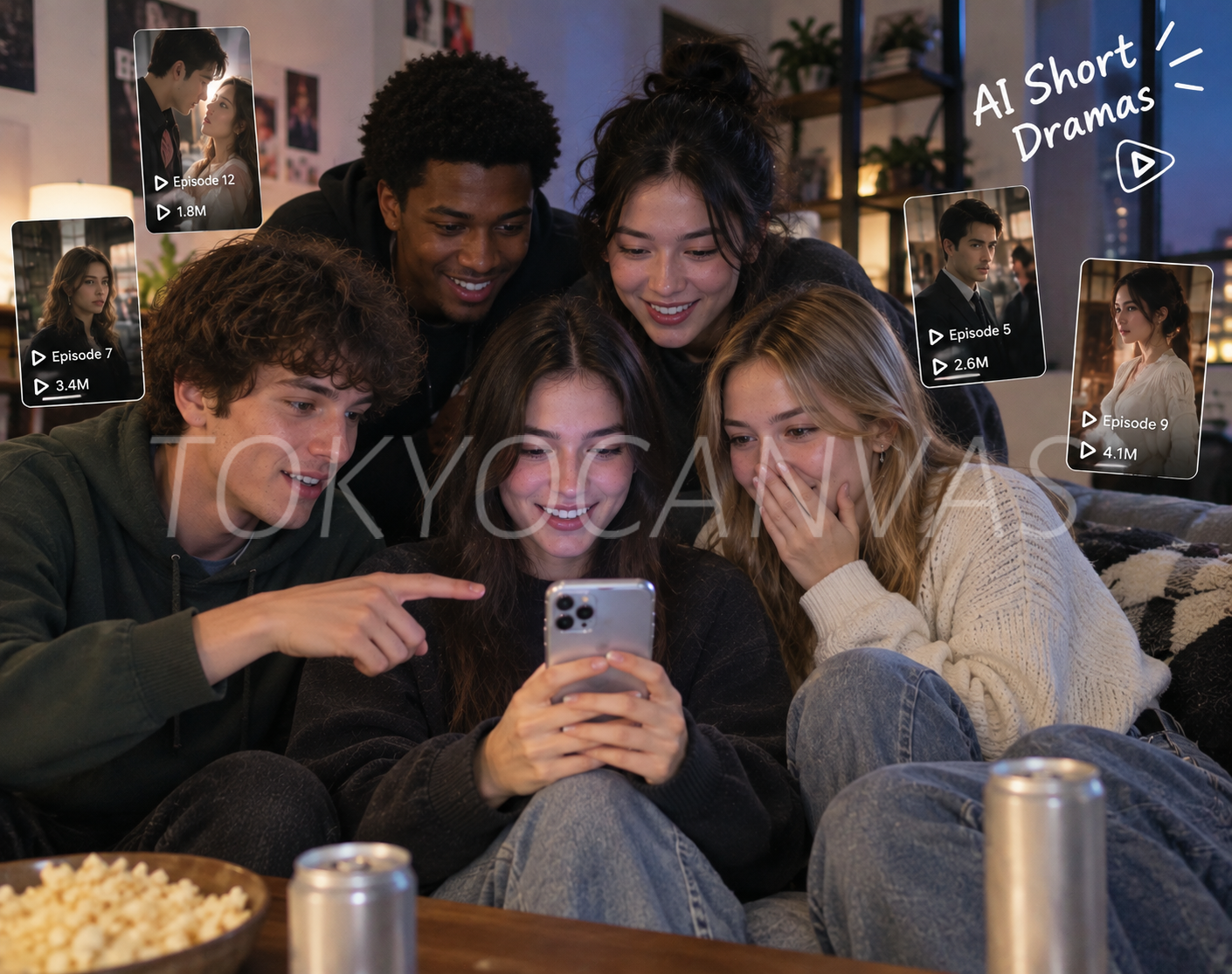
If you’ve scrolled through short-form platforms lately, you’ve probably stumbled onto them: vertical, fast-paced serialized stories, made almost entirely with AI tools. These AI short dramas have exploded in popularity among young adults, mixing cliffhangers, fantasy twists and wild plotlines that keep viewers clicking “next episode” without pause. They are more than just a passing meme; they are reshaping how people create and consume stories in the digital age.
- Low barriers turn anyone into a storyteller Traditional video production needs cameras, actors, locations and big budgets. AI short dramas flip that rule. A single creator can write a script, generate characters, build scenes and add voice acting using AI tools, all from a laptop. This opens storytelling to people who never had access to film crews or studio funding. Fantasy, sci-fi, mystery and revenge plots are the most common genres, because AI easily creates imaginative worlds that would cost thousands to film in real life. For many young creators, this is the first chance to turn their story ideas into moving video and reach a global audience.
- The appeal of instant, bite-sized storytelling Most AI short drama episodes run from 30 seconds to 3 minutes. Each segment ends on a sharp cliffhanger, designed to hook viewers scrolling between classes, commutes or quick breaks. Young audiences love this format because it fits fragmented daily routines. You do not need hours of free time to follow a long show. Many viewers admit they watch partly out of curiosity: the slightly uncanny look of AI-generated characters makes these stories feel weird, fun and unlike anything made by traditional film studios. It is casual, low-stakes entertainment for quick mood boosts.
- The debate: innovation vs. creative soul The trend also sparks lively discussion online. Supporters argue AI unlocks creative freedom and expands what stories can look like. Critics point out that many AI dramas reuse similar plot formulas, leading to repetitive, predictable narratives. Some viewers feel AI characters lack the natural emotion and subtle performance of real actors. This divide has become a common topic in comment sections. Young audiences are asking the same question: can a story still feel human when virtual characters and machine tools build every scene? It is not a simple yes or no answer, and that tension keeps the conversation alive.
AI short dramas will not replace movies and series anytime soon, but they mark a big shift in entertainment. As tools improve, we will keep seeing stranger, more creative stories pop up on our feeds. Whether you love them or think they are just viral digital fun, one thing is clear: AI has permanently lowered the gate to storytelling.