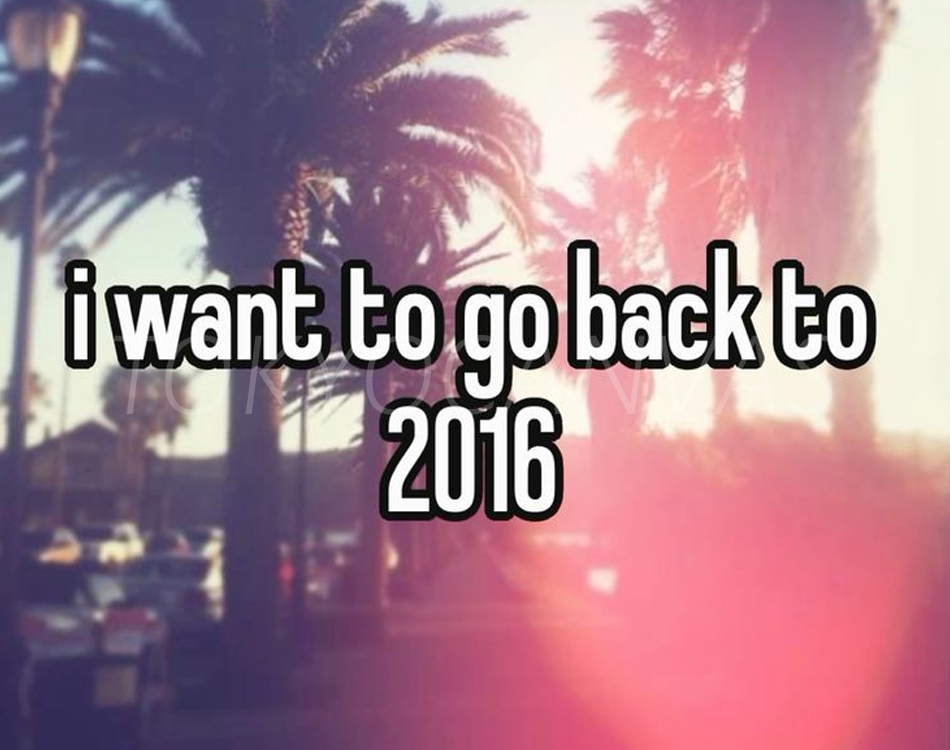
If you’ve ever scrolled through TikTok or Instagram and felt that sudden rush of mid-2010s nostalgia—oversaturated filters, Snapchat dog ears, chokers, skinny jeans, and peace-sign selfies—our collective “2026 Is the New 2016” vibe will feel right at home on your feed. Let’s break down why this throwback wave is more than just old photos—it’s a full-on cultural reset capturing the exhaustion and longing of today’s hyper-curated internet.
1.The Visual Story: Retro Chaos Meets Pure Escapism
At first glance, the trend is delightfully chaotic: users post decade-old selfies with Rio filters, bottle-flip fails, Mannequin Challenge clips, and captions like “Wake up babe, it’s 2016 again” or “2026 is the new 2016.” Celebrities from Reese Witherspoon to Charlie Puth and even Meghan Markle jumped in, sharing throwbacks or recreating 2016 moments with hits like “We Don’t Talk Anymore.” Pokémon Go nostalgia, Kylie Jenner lip kits, and Triangl bikinis flood the timeline.
This absurdity mirrors the messy, unpolished fun of 2016—the last year the internet felt “simple” before heavy algorithms, pandemics, and constant performance took over. The visuals scream rebellion: saturated colors, low-effort edits, and zero curation signal “I’m done pretending.”
2. The Mood & Energy: Vintage Comfort, Modern Fatigue
Just like slipping into a favorite worn-in hoodie, this trend offers instant comfort. After years of brain-rot slop, irony overload, and forced trends, people crave that lighter era. Feeds in early 2026 exploded post-New Year’s with montages using old Snapchat filters and Vine-style humor. It’s escapism wrapped in nostalgia—2016 as the “last optimistic” year before everything got heavier.
The washed-out, lived-in feel matches today’s vibe: comfortable enough for endless scrolling, but edgy enough to stand out against polished perfection.
3. Cultural Resonance: Why Nostalgia Hits Hard Now
Western online culture thrives on cycles and subversion. After AI slop, engagement farming, and fragmented feeds, this trend taps into a shared exhaustion. It’s a quiet protest: posting cringy 2016 pics says “bring back the dumb, fun internet.” Tied to the Great Meme Reset idea, it bridges Gen Z longing for pre-irony eras with broader cultural fatigue. Bilingual or global nods (like old K-pop/BTS vibes resurfacing) make it inclusive.
It’s a conversation starter—proof we’re all tired of the grind and want community through shared memories.
4. Versatility: Scroll It Up, Scroll It Down
One reason this trend sticks is how effortlessly it fits everyday feeds. Pair a 2016 throwback with current outfits for ironic streetwear, or use it in stories for quick laughs. Neutral filters mean it blends with anything, while bold captions ensure you pop. From casual daily posts to deeper “remember when” threads, it works everywhere.
Final Thought: the “2026 Is the New 2016” wave isn’t just nostalgia—it’s a love letter to simpler online times, wrapped in viral filters and shared exhaustion. If you’re over today’s polished chaos, this trend will be your new favorite escape. It’s retro, it’s relatable, and it’s waiting to flood your feed as the ultimate mood reset.